

Best Jockey Boots for Winter Racing - Castillo Boots
-
Handcrafted Leather Jockey Racing Boots – USA Made
- 4 1/2 Men US
- 5 Men US
- 5 1/2 Men US
- 6 Men US
- 6 1/2 Men US
- 7 Men US
- 7 1/2 Men US
- 8 Men US
- 8 1/2 Men US
- 9 Men US
- 9 1/2 Men US
Regular price From $199.50 USDRegular priceUnit price per$208.95 USDSale price From $199.50 USDSale -
Jockey Training Boots – Black Patent Leather
- 4 1/2 Men US
- 5 Men US
- 5 1/2 Men US
- 6 Men US
- 6 1/2 Men US
- 7 Men US
- 7 1/2 Men US
- 8 Men US
- 8 1/2 Men US
- 9 Men US
- 9 1/2 Men US
- Custom
Regular price From $339.00 USDRegular priceUnit price per$355.95 USDSale price From $339.00 USDSale -
Castillo Handcrafted Jockey Racing Boots - Vibram Sole - USA Made
- 4 1/2 Men US
- 5 Men US
- 5 1/2 Men US
- 6 Men US
- 6 1/2 Men US
- 7 Men US
- 7 1/2 Men US
- 8 Men US
- 8 1/2 Men US
- 9 Men US
- 9 1/2 Men US
Regular price From $275.00 USDRegular priceUnit price per$288.75 USDSale price From $275.00 USDSale -
Jockey Breezing Racing Boots – Goodyear Sole, Low Heel, Zipper, USA
- 4 1/2 Men US
- 5 Men US
- 5 1/2 Men US
- 6 Men US
- 6 1/2 Men US
- 7 Men US
- 7 1/2 Men US
- 8 Men US
- 8 1/2 Men US
- 9 Men US
- 9 1/2 Men US
Regular price From $275.00 USDRegular priceUnit price per$288.75 USDSale price From $275.00 USDSale -
Castillo Gallop Jockey Insulated Boots – Black Patent Leather
- 4 1/2 Men US
- 5 Men US
- 5 1/2 Men US
- 6 Men US
- 6 1/2 Men US
- 7 Men US
- 7 1/2 Men US
- 8 Men US
- 8 1/2 Men US
- 9 Men US
- 9 1/2 Men US
Regular price $385.00 USDRegular priceUnit price per$399.50 USDSale price $385.00 USDSale
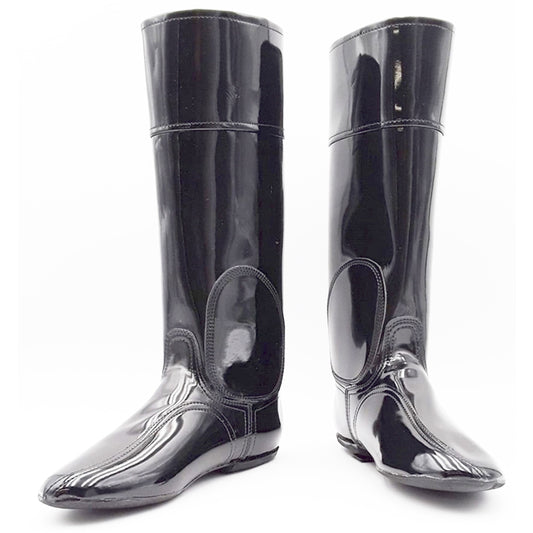
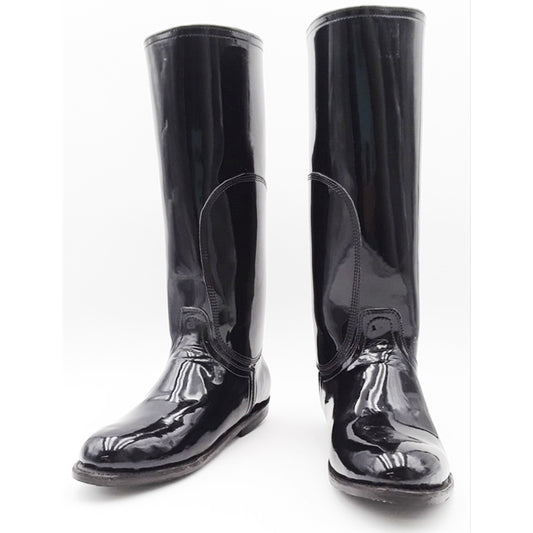

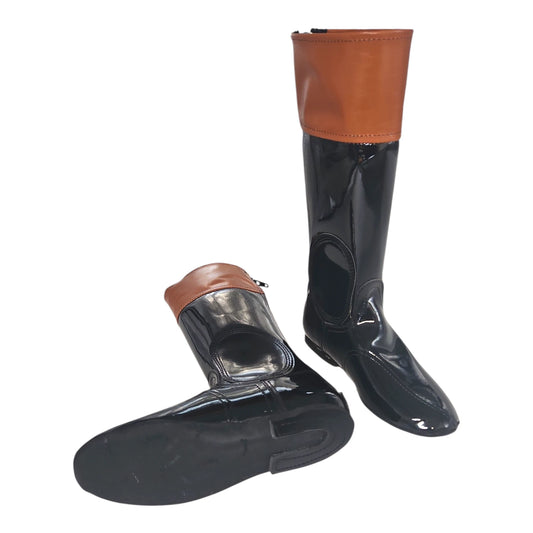

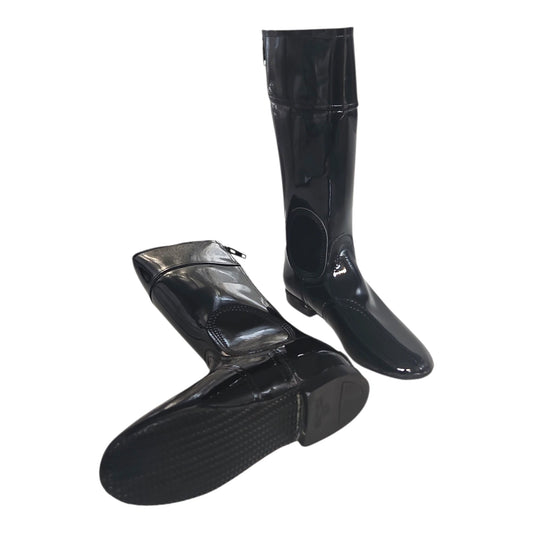
Winter racing presents unique challenges that demand specialized footwear capable of performing in the most demanding conditions. Our curated collection of the best jockey boots for winter racing features premium USA-made handcrafted boots engineered to deliver superior performance when temperatures drop and track conditions become treacherous. Each boot in this collection has been selected for its ability to provide essential cold-weather protection while maintaining the precision, flexibility, and close contact that competitive racing demands. From Castillo's legendary handcrafted leather racing boots with advanced Vibram soles to specialized boot leggings that add warmth without bulk, this collection represents the pinnacle of winter racing footwear. Whether you're facing freezing morning workouts or competing in cold-weather stakes races, these boots deliver the grip, insulation, and durability that professional jockeys trust. Discover why USA-made craftsmanship and quality materials make all the difference when racing conditions turn harsh—your performance and safety depend on having the right boots for winter's challenges.
Key Takeaways
- Winter racing demands boots with superior grip, insulation, and moisture resistance to maintain performance in cold, wet conditions
- Vibram soles provide essential traction on icy stirrups and slippery surfaces while maintaining flexibility for precise riding control
- USA-made handcrafted leather boots offer superior durability and weather protection compared to synthetic alternatives
- Boot leggings add an extra layer of warmth and protection, preventing cold air from entering while maintaining sleek racing profiles
What should you look for in winter racing jockey boots?
Winter racing jockey boots require a careful balance of warmth, protection, and performance features that don't compromise riding precision. The most critical factor is sole technology—Vibram soles are the gold standard for winter conditions, offering superior grip on frozen stirrups and wet surfaces while maintaining the flexibility needed for subtle foot movements. Leather construction is essential for winter racing, as genuine leather provides natural insulation, breathability, and water resistance that synthetic materials can't match. Look for boots with reinforced toe boxes and heel counters that protect against cold while maintaining the slim profile necessary for racing. The boot should fit snugly without constricting circulation, which is crucial for keeping feet warm during cold-weather races. Additionally, consider boots with minimal seams and quality stitching, as these construction details prevent moisture penetration and cold air infiltration that can compromise performance during winter meets.
How do you choose the right jockey boots for cold weather racing conditions?
- Prioritize Vibram or high-quality rubber soles that maintain flexibility in freezing temperatures while providing aggressive traction on icy stirrups
- Select full-grain leather construction for natural insulation and weather resistance—USA-made handcrafted boots typically offer superior leather quality and durability
- Consider boot height and fit to ensure adequate coverage without bulk—boots should seal around the calf to prevent cold air entry while allowing freedom of movement
- Evaluate sole thickness and insulation properties—adequate cushioning protects from cold stirrups without sacrificing the ground feel essential for racing
- Pair racing boots with specialized boot leggings made from seamless nylon or cotton for additional warmth without adding bulk to your racing profile
- Test boots with your racing breeches and socks to ensure proper fit—winter riding socks are thicker, so sizing must accommodate the extra layer
Read Also
Frequently Asked Questions
What are the most comfortable boots for winter?
What boots do barrel racers wear?
What shoes do horse jockeys wear?
What boots did cowboys wear in the winter?
How do you keep jockey boots warm in winter racing?
Sources
- Top Riding Boots for All Skill Levels: A Complete Guide — ridertack.com
- Corsa Race Jockey Boots | Most Comfortable Racing Boots — eleganceboots.com
- 8 Best Horse Riding Boots Worth Investing In & Why Riders Love Them — www.farmhousetack.com
- Hidden Cowboy Secrets | Best winter riding boots for snow and cold | Facebook — www.facebook.com
- Winter Riding Boot Roundup — www.breeches.com

