

Best Veterinary Bandages for Horse Transport - Premium Equine Protection
-
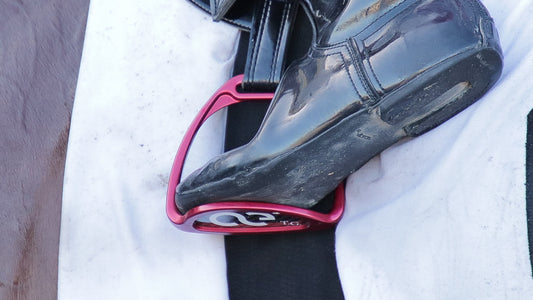
American Equus SS77 Ultra-Light Racing Stirrup Irons - Aluminum
- Illusion Red
- Illusion Blue
- Illusion Black
- Illusion Teal
- Illusion Violet
- Illusion Grey
- Illusion Green
- Illusion Gold
Regular price $279.00 USDRegular priceUnit price per$293.00 USDSale price $279.00 USDSale -
American Equus Racing Stirrup Irons - Aluminum Traction Pin Edition
- Illusion Red
- Illusion Blue
- Illusion Black
- Illusion Teal
- Illusion Violet
- Illusion Grey
- Illusion Green
- Illusion Gold
Regular price $249.00 USDRegular priceUnit price per$261.50 USDSale price $249.00 USDSale -
3M VETRAP Cohesive Self-Adhesive Bandaging Tape 4" x 5 Yards
Regular price $3.67 USDRegular priceUnit price per$4.04 USDSale price $3.67 USDSale -
American Equus SS84 Ultra-Light Aircraft Aluminum Racing Stirrups
- Illusion Red
- Illusion Blue
- Illusion Black
- Illusion Teal
- Illusion Violet
- Illusion Grey
- Illusion Green
- Illusion Gold
Regular price $295.00 USDRegular priceUnit price per$310.00 USDSale price $295.00 USDSale -
American Equus Aluminum Long Board Horse Racing Stirrup Irons
- Illusion Red
- Illusion Blue
- Illusion Black
- Illusion Teal
- Illusion Violet
- Illusion Grey
- Illusion Green
- Illusion Gold
Regular price $269.00 USDRegular priceUnit price per$282.50 USDSale price $269.00 USDSale



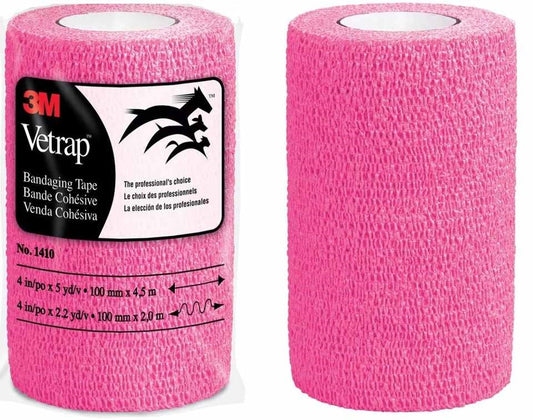


Protecting your horse during transport is one of the most critical responsibilities of equine ownership and professional horse management. Whether you're heading to a local show, relocating across states, or shipping horses internationally, proper leg protection can mean the difference between a horse that arrives sound and ready to perform versus one suffering from preventable shipping injuries. Our carefully curated collection of veterinary bandages for horse transport features professional-grade products trusted by veterinarians, professional haulers, and competitive riders worldwide. The cornerstone of safe horse shipping is quality cohesive bandaging like the 3M Vetrap, the industry-leading self-adhesive bandage that provides reliable compression and protection without the hassle of clips, pins, or tape that can come loose during travel. These veterinary-grade bandages are specifically engineered for equine applications, offering the perfect balance of support, breathability, and durability needed to protect vulnerable tendons, ligaments, and joints from the bumps, sudden stops, and prolonged standing that characterize horse transport. When properly applied over adequate padding, these professional bandages create a protective barrier that minimizes the risk of bowed tendons, cuts, abrasions, and the swelling that commonly occurs during shipping. Every product in this collection meets the rigorous standards required for safe equine transport, giving you confidence that your horse will arrive at its destination in the same condition it left—ready to compete, train, or settle into its new home.
Key Takeaways
- Cohesive self-adhesive bandages like 3M Vetrap provide secure leg protection without tape or pins during transport
- Proper bandaging prevents shipping injuries including bowed tendons, cuts, and swelling from trailer movement
- Quality veterinary bandages should be breathable, non-slip, and maintain consistent compression throughout travel
- Always apply bandages over padding and ensure proper tension to avoid circulation problems during long hauls
What should you look for in veterinary bandages for horse transport?
The ideal veterinary bandages for horse transport must meet several critical criteria to ensure equine safety during shipping. First, look for cohesive self-adhesive properties that allow the bandage to stick to itself without requiring clips, pins, or tape that could come loose during travel. The material should be breathable to prevent moisture buildup and overheating, yet durable enough to withstand the duration of transport without unraveling. Professional-grade options like 3M Vetrap offer consistent elasticity that maintains even compression throughout the journey, protecting against bumps and sudden movements. The bandage should be easy to apply quickly and remove safely, as stressed horses may not tolerate lengthy wrapping sessions. Width is also important—4-inch bandages provide optimal coverage for most horse legs while conforming to contours effectively. Finally, choose bandages that won't leave residue on the horse's coat and can be used over padding materials to create a complete protective system for shipping.
How do you choose the right protective equipment for horse shipping?
- Material quality: Select veterinary-grade cohesive bandages that maintain elasticity and won't slip during transport, ensuring consistent protection throughout the journey
- Coverage needs: Assess whether you need full-leg protection, fetlock support, or targeted wrapping based on your horse's history and the transport distance
- Ease of application: Choose bandages that can be applied efficiently under potentially stressful pre-shipping conditions while maintaining proper tension
- Compatibility with padding: Ensure your bandages work effectively over quilted wraps or foam padding to create a complete protective layer system
- Durability for transport duration: Match bandage strength to trip length—longer hauls require more robust materials that won't deteriorate or lose compression
- Safety features: Prioritize non-slip, breathable materials that won't cause overheating, circulation issues, or create pressure points during extended travel
Read Also
Frequently Asked Questions
How to bandage horse legs for travel?
What bandages do vets use?
How to wrap a horse for shipping?
Are vet wrap and coban the same?
How long can you leave shipping bandages on a horse?
Sources
- Best Self Adhesive Bandage for Horse Legs - Premium Equine Care — ridertack.com
- Horse Wraps & Bandages - Riding Warehouse — www.ridingwarehouse.com
- — www.sstack.com
- 10 Best Horse Bandages 2025: According to Reviews - Chewy — www.chewy.com
- Equine Compression Wraps VS Static Wraps – EquiCrown USA — equicrownus.com

