Best Veterinary Wrap for Dogs - Premium Pet Bandaging Solutions

4 products

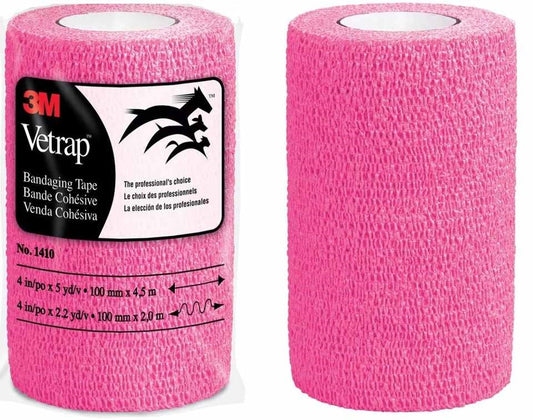
Protecting your dog's injuries, securing bandages, and providing support for sprains or post-surgical care requires reliable veterinary wrap designed specifically for canine needs. Our collection features premium self-adhesive cohesive bandaging solutions like the trusted 3M VETRAP, the gold standard in veterinary care used by professionals and pet owners worldwide. Unlike ordinary bandages that stick to fur and cause discomfort during removal, quality veterinary wrap adheres only to itself, creating secure, breathable compression that stays in place through your dog's daily activities. Whether you're managing a minor wound, stabilizing a sprained joint, or following post-operative care instructions from your veterinarian, having professional-grade vet wrap in your pet first aid kit ensures you're prepared to provide immediate, effective care. These cohesive wraps are latex-free to prevent allergic reactions, water-resistant to maintain protection in various conditions, and tear easily by hand for quick application during emergencies. Available in versatile 4-inch widths with generous 5-yard lengths, our veterinary wraps provide multiple applications while maintaining the elasticity and support your dog needs for comfortable healing and recovery.

Key Takeaways

  • Quality veterinary wrap should be cohesive and self-adhesive without sticking to fur or skin
  • Proper vet wrap provides compression and support while allowing flexibility for natural movement
  • Most veterinary wraps are safe for 24-48 hours but should be monitored for circulation issues
  • Professional-grade bandaging tape like 3M VETRAP offers superior durability and water resistance

What should you look for in veterinary wrap for dogs?

When selecting veterinary wrap for your dog, prioritize cohesive, self-adhesive properties that stick only to itself rather than fur or skin. The best veterinary wraps should provide adequate compression without cutting off circulation, featuring breathable materials that allow air flow while protecting wounds. Look for wraps that maintain their elasticity and support even when wet, as dogs may encounter water or drool on bandaged areas. Width is also important—4-inch wraps offer versatile coverage for most dog sizes, from securing dressings on legs to stabilizing joints. Professional-grade options like 3M VETRAP are latex-free to prevent allergic reactions and come in various colors for easy identification of bandaged areas. The wrap should tear easily by hand for quick application without requiring scissors, and it should conform to body contours for comfortable, secure coverage that won't slip during activity.

How do you choose the right veterinary wrap for your dog's needs?

  • Consider the injury location and size—larger dogs or bigger wound areas require wider wraps (4-inch is standard for most applications)
  • Evaluate the activity level of your dog—active dogs need more durable, water-resistant wraps that won't loosen during movement
  • Check for latex-free materials if your dog has sensitivities or allergies to common bandaging materials
  • Select appropriate compression levels—light compression for wound protection, moderate for sprains and strains, firmer for joint stabilization
  • Look for porous, breathable construction that prevents moisture buildup and allows wounds to heal properly
  • Choose wraps with consistent elasticity that won't become too tight as the material settles or if minor swelling occurs

Frequently Asked Questions

Is vet wrap safe for dogs?
Yes, veterinary wrap is safe for dogs when applied correctly. Quality vet wrap like 3M VETRAP is specifically designed for animal use and is latex-free to minimize allergic reactions. The cohesive material sticks only to itself, not to fur or skin, preventing painful removal and hair pulling. However, proper application technique is crucial—the wrap should be snug enough to provide support without being so tight that it restricts blood flow. Always monitor your dog for signs of circulation problems such as swelling below the wrap, discoloration of toes or skin, excessive licking, or limping. If you notice coldness in the wrapped area, a foul odor, or your dog showing signs of distress, remove the wrap immediately and consult your veterinarian. When used appropriately for wound protection, bandage security, or mild support, vet wrap is a safe and effective tool for canine first aid and recovery.
How long can you leave a vet wrap on a dog?
Veterinary wrap should typically be left on a dog for no more than 24-48 hours before being changed or removed for inspection. The exact duration depends on the purpose of the wrap and your veterinarian's specific instructions. For wound care, bandages usually need changing every 24 hours to check for infection, monitor healing, and prevent moisture buildup. For support wraps on sprains or strains, 48 hours may be acceptable if the area remains dry and your dog shows no signs of discomfort. Never leave vet wrap on for extended periods without inspection, as this can lead to circulation problems, pressure sores, or hidden infections. Check the wrapped area at least twice daily for swelling, odor, wetness, or signs that the wrap has become too tight. If the wrap gets wet from rain, swimming, or excessive drool, it should be changed immediately as moisture can cause skin irritation and delay healing. Always follow your veterinarian's specific guidance for your dog's individual situation.
Are vet wrap and coban the same?
Vet wrap and Coban are essentially the same type of product—both are cohesive, self-adherent bandaging wraps manufactured by 3M. Coban is actually the brand name for 3M's cohesive wrap designed for human medical use, while vet wrap (or VETRAP) is 3M's version specifically marketed for veterinary applications. The fundamental material and technology are nearly identical: both feature a porous, elastic construction that sticks to itself without adhesives, allowing for easy application and removal. The main differences are primarily in marketing, packaging sizes, and sometimes color options. VETRAP often comes in brighter colors and larger quantities suitable for veterinary clinics and animal care, while Coban is packaged for human healthcare settings. Some users report subtle differences in elasticity or tackiness between batches, but functionally they serve the same purpose. Both products provide compression, support wound dressings, and protect injuries without sticking to skin or fur. Many pet owners and veterinarians use them interchangeably, though VETRAP is specifically tested and marketed for animal use.
What is a substitute for vet wrap?
Several alternatives can substitute for vet wrap in different situations, though each has limitations. Medical cohesive bandages designed for humans (like Coban) work identically for dogs and are widely available at pharmacies. Elastic adhesive bandages can provide compression but may stick to fur, making removal uncomfortable. In emergencies, clean strips of t-shirt material or cotton fabric can secure gauze pads, though they lack the self-adhesive properties and require tape or clips to stay in place. Athletic tape provides support but adheres directly to fur and skin, causing pain during removal. Some pet owners use self-adhesive sports wrap designed for horses, which functions similarly to vet wrap but may come in different widths. For minor wounds not requiring compression, non-adhesive gauze pads secured with medical tape applied only to itself (not touching fur) can protect the area. However, none of these alternatives match the convenience, safety, and effectiveness of proper veterinary wrap like 3M VETRAP. The cohesive, non-sticky properties specifically engineered for animal use make true vet wrap the superior choice for most canine bandaging needs, justifying keeping it in your pet first aid kit.
Can vet wrap be reused on dogs?
Veterinary wrap is designed as a single-use product and should not be reused for hygienic and effectiveness reasons. Once removed, vet wrap loses much of its cohesive properties and elasticity, meaning it won't provide the same level of support or stay secure during reapplication. More importantly, used vet wrap can harbor bacteria, dirt, and bodily fluids from the previous application, creating infection risks if applied to wounds or injured areas. The material can also stretch unevenly after initial use, potentially creating pressure points or inadequate compression. Even if the wrap appears clean, microscopic contaminants may be present. For economic pet care, it's better to purchase vet wrap in bulk quantities rather than attempting to reuse individual wraps. A fresh, sterile wrap ensures optimal adhesion, proper compression, and reduces infection risk—critical factors in your dog's healing process. The relatively low cost of new vet wrap compared to potential veterinary bills from complications makes single-use application the recommended practice by veterinary professionals.

Sources

  • 8 Best Dog Bandages & Wraps 2025: According to Reviews - Chewy — www.chewy.com
  • The 4 Best Types of Bandages to Use for Your Dog | Pettable — pettable.com
  • Surgical Wrap For Dogs - Amazon.com — www.amazon.com
  • Vet Wrap — www.equiderma.com
  • Covetrus: vet wrap — northamerica.covetrus.com