

Best Breezing Irons for Horse Training - American Equus
-
American Equus SS77 Ultra-Light Racing Stirrup Irons - Aluminum
- Illusion Red
- Illusion Blue
- Illusion Black
- Illusion Teal
- Illusion Violet
- Illusion Grey
- Illusion Green
- Illusion Gold
Regular price $279.00 USDRegular priceUnit price per$293.00 USDSale price $279.00 USDSale -
American Equus Teardrop XL Racing Stirrup Irons - Aluminum
- Illusion Red
- Illusion Blue
- Illusion Black
- Illusion Teal
- Illusion Violet
- Illusion Grey
- Illusion Green
- Illusion Gold
Regular price $269.00 USDRegular priceUnit price per$282.50 USDSale price $269.00 USDSale -
American Equus Racing Stirrup Irons - Aluminum Traction Pin Edition
- Illusion Red
- Illusion Blue
- Illusion Black
- Illusion Teal
- Illusion Violet
- Illusion Grey
- Illusion Green
- Illusion Gold
Regular price $249.00 USDRegular priceUnit price per$261.50 USDSale price $249.00 USDSale -
American Equus SS84 Ultra-Light Aircraft Aluminum Racing Stirrups
- Illusion Red
- Illusion Blue
- Illusion Black
- Illusion Teal
- Illusion Violet
- Illusion Grey
- Illusion Green
- Illusion Gold
Regular price $295.00 USDRegular priceUnit price per$310.00 USDSale price $295.00 USDSale -
American Equus Thoroughbred Breezing Irons - Aluminum Racing Stirrups
- Illusion Red
- Illusion Blue
- Illusion Black
- Illusion Teal
- Illusion Violet
- Illusion Grey
- Illusion Green
- Illusion Gold
Regular price $269.00 USDRegular priceUnit price per$282.50 USDSale price $269.00 USDSale

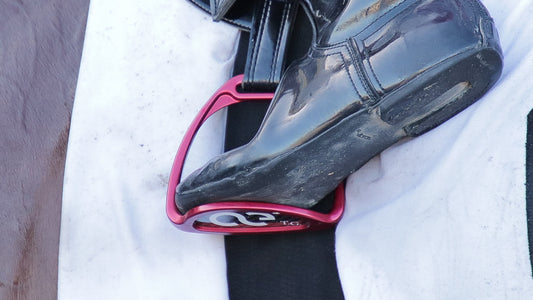


Discover the finest selection of aluminum breezing irons specifically engineered for racehorse training and exercise riding. American Equus racing stirrups represent the pinnacle of lightweight design and functional performance, trusted by professional exercise riders, trainers, and jockeys at premier racing facilities worldwide. Our collection features ultra-light aluminum construction that dramatically reduces leg fatigue during extended training sessions, allowing you to maintain optimal position and effectiveness from your first mount through your last gallop of the morning. Each stirrup is precision-crafted from aircraft-grade aluminum alloys, delivering an exceptional strength-to-weight ratio that withstands the rigorous demands of daily track work while weighing up to 70% less than traditional stainless steel irons. Whether you're breezing two-year-olds, galloping seasoned campaigners, or putting in foundation work on young prospects, these specialized racing stirrups provide the secure footing, balanced feel, and reduced weight that professional riders demand. From classic teardrop designs to innovative traction pin editions, our breezing irons collection offers the perfect combination of safety, comfort, and performance to elevate your training program and protect your body during countless hours in the saddle.
Key Takeaways
- Ultra-light aluminum construction reduces leg fatigue during long training sessions and morning works
- Specialized breezing irons provide optimal balance and security for exercise riders working at speed
- Proper stirrup design enhances rider position, allowing better communication with young or training horses
- Aircraft-grade aluminum offers superior strength-to-weight ratio compared to traditional stainless steel stirrups
What should you look for in breezing irons for horse training?
When selecting breezing irons for horse training, prioritize lightweight construction without sacrificing strength. Aluminum racing stirrups typically weigh 50-70% less than traditional stainless steel irons, significantly reducing leg fatigue during extended training sessions. Look for aircraft-grade aluminum that provides exceptional durability while maintaining minimal weight. The stirrup's footbed design is equally important—wider platforms with traction features help maintain secure foot placement during fast works and gallops. Consider the eye size and shape to ensure compatibility with your training saddle's leathers. Teardrop and rounded designs offer smoother leather movement, while the overall geometry should promote proper leg position and balance. For professional exercise riders and trainers who spend hours in the saddle daily, investing in purpose-built breezing irons can dramatically improve comfort, safety, and effectiveness during morning training sessions.
How do you choose the right racing stirrups for training needs?
- Weight considerations: Ultra-light aluminum irons (under 200g per stirrup) minimize fatigue during multiple training rides per day
- Footbed width and traction: Select wider platforms (4.5-5 inches) with pin or textured surfaces for secure footing during speed work
- Durability factors: Aircraft-grade aluminum (6061 or 7075 alloy) withstands daily training demands while maintaining structural integrity
- Design profile: Teardrop or streamlined shapes reduce bulk and allow closer contact with the horse for better communication
- Safety features: Open-sided or smooth designs prevent boot hang-up in emergency dismounts during unpredictable training situations
Read Also
Frequently Asked Questions
What is the best size round pen for training horses?
What is the best bit for training horses?
Are Flex-on stirrups worth the money?
What are Fillis stirrup irons?
Why choose aluminum racing stirrups over stainless steel for training?
Sources
- Best Stirrup Irons for Jumping Safety: A Comprehensive Buyer's Guide — ridertack.com
- Technical stirrups — what’s on the market? — www.horseandhound.co.uk
- Finding Affordable Stirrup Irons — www.budgetequestrian.com
- Safety Stirrup Comparison & Review — horsetrailchicks.com
- Flex-On Stirrup Irons: Which Ones Are Right for You? — www.farmhousetack.com

