

Best Horse Bandaging Tape for Injuries - Premium Equine Care
-
American Equus SS77 Ultra-Light Racing Stirrup Irons - Aluminum
- Illusion Red
- Illusion Blue
- Illusion Black
- Illusion Teal
- Illusion Violet
- Illusion Grey
- Illusion Green
- Illusion Gold
Regular price $279.00 USDRegular priceUnit price per$293.00 USDSale price $279.00 USDSale -
American Equus Racing Stirrup Irons - Aluminum Traction Pin Edition
- Illusion Red
- Illusion Blue
- Illusion Black
- Illusion Teal
- Illusion Violet
- Illusion Grey
- Illusion Green
- Illusion Gold
Regular price $249.00 USDRegular priceUnit price per$261.50 USDSale price $249.00 USDSale -
3M VETRAP Cohesive Self-Adhesive Bandaging Tape 4" x 5 Yards
Regular price $3.67 USDRegular priceUnit price per$4.04 USDSale price $3.67 USDSale -
American Equus SS84 Ultra-Light Aircraft Aluminum Racing Stirrups
- Illusion Red
- Illusion Blue
- Illusion Black
- Illusion Teal
- Illusion Violet
- Illusion Grey
- Illusion Green
- Illusion Gold
Regular price $295.00 USDRegular priceUnit price per$310.00 USDSale price $295.00 USDSale -
American Equus Aluminum Teardrop Thoroughbred Racing Stirrup Irons
- Illusion Red
- Illusion Blue
- Illusion Black
- Illusion Teal
- Illusion Violet
- Illusion Grey
- Illusion Green
- Illusion Gold
Regular price $259.00 USDRegular priceUnit price per$272.00 USDSale price $259.00 USDSale -
American Equus Aluminum Long Board Horse Racing Stirrup Irons
- Illusion Red
- Illusion Blue
- Illusion Black
- Illusion Teal
- Illusion Violet
- Illusion Grey
- Illusion Green
- Illusion Gold
Regular price $269.00 USDRegular priceUnit price per$282.50 USDSale price $269.00 USDSale



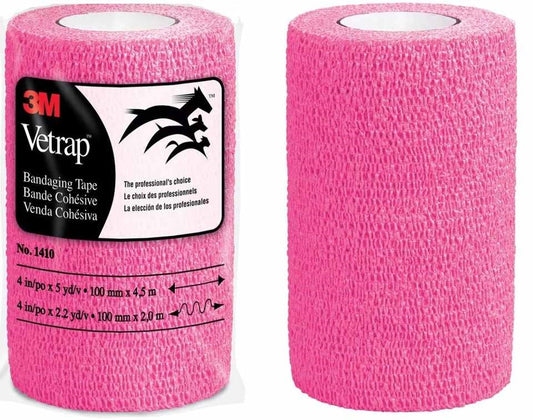


Proper wound care and injury management are essential aspects of responsible horse ownership, and selecting the right bandaging tape can significantly impact your horse's healing process and comfort. Our carefully curated collection features premium horse bandaging tape designed specifically for equine injury care, led by the veterinary industry standard 3M VETRAP Cohesive Self-Adhesive Bandaging Tape. This professional-grade 4-inch by 5-yard tape provides the perfect combination of secure hold, breathability, and flexibility that serious equestrians and veterinarians trust for everything from minor abrasions to post-surgical care. Unlike ordinary adhesive tapes, cohesive bandaging tape sticks only to itself, eliminating the pain and hair loss associated with removal while maintaining consistent compression that supports healing without restricting vital circulation. Whether you're managing a leg injury, protecting a wound, or providing support during recovery, the right bandaging tape ensures your horse receives the professional-level care they deserve while making the bandaging process safer and more efficient for both horse and handler.
Key Takeaways
- Cohesive self-adhesive bandaging tape like 3M VETRAP provides secure wound protection without clips or pins that could harm your horse
- Proper bandaging tape should be breathable, flexible, and maintain consistent compression without restricting circulation
- Veterinary-grade bandaging tape stays in place during movement and won't stick to hair or skin, making removal stress-free
- Quality horse bandaging tape is water-resistant and durable enough to withstand stable conditions while supporting injury recovery
What should you look for in horse bandaging tape for injuries?
When selecting horse bandaging tape for injuries, prioritize cohesive self-adhesive properties that allow the tape to stick to itself without adhering to your horse's hair or skin. The ideal bandaging tape should provide controlled compression to support injured areas while remaining breathable to prevent moisture buildup that could compromise healing. Look for veterinary-grade materials that are latex-free to minimize allergic reactions, and ensure the tape has sufficient elasticity to move with your horse without restricting blood flow. Width is also important—4-inch tape like 3M VETRAP provides excellent coverage for legs and joints, while the material should be tear-resistant yet easy to apply. Water-resistance helps the bandage maintain its integrity in various conditions, and the tape should maintain its adhesive properties throughout the healing period without becoming too tight or too loose as your horse moves.
How do you choose the right bandaging tape for your horse's injury care needs?
- Assess the injury location and size—larger wounds or joint areas require wider tape (4 inches or more) for adequate coverage and support
- Consider your horse's activity level and environment—active horses or those in wet conditions need highly durable, water-resistant tape that won't slip
- Evaluate compression requirements—different injuries need varying support levels, so choose tape with appropriate stretch and elasticity
- Check for veterinary endorsements and professional-grade certifications like 3M VETRAP, which is trusted by equine veterinarians worldwide
- Verify the tape is non-irritating and won't stick to hair or wounds, ensuring comfortable removal without causing additional stress or trauma
- Consider quantity and value—injury care often requires multiple bandage changes, so ensure you have adequate supply for the healing period
Read Also
Frequently Asked Questions
What tape do vets use?
How long can you leave stable bandages on for?
What is the best tape to hold a bandage in place?
What tape is used for horses?
Can you use regular bandaging tape on horses?
Sources
- 10 Best Horse Bandages 2025: According to Reviews - Chewy — www.chewy.com
- Kinesiology Taping for Horses: The Complete Guide ... - Amazon.com — www.amazon.com
- 10 Best Horse Wraps For yy | Buying.expert — buying.expert
- Kinesiology Tape for Horses: What brands are the best? — www.sozoequinemo.com
- Kinesiology Taping for Horses: Benefits & Uses in Equine Rehabilitation | Mad Barn — madbarn.com

