

Best Jockey Equipment for Professional Riders - Premium Racing Gear
-
-
DESCENTE JRA Lightweight Horse Riding Safety Vest - Perforated Foam
Regular price $509.50 USDRegular priceUnit price per$534.95 USDSale price $509.50 USDSale -
American Equus SS77 Ultra-Light Racing Stirrup Irons - Aluminum
- Illusion Red
- Illusion Blue
- Illusion Black
- Illusion Teal
- Illusion Violet
- Illusion Grey
- Illusion Green
- Illusion Gold
Regular price $279.00 USDRegular priceUnit price per$293.00 USDSale price $279.00 USDSale -
Handcrafted Leather Jockey Racing Boots – USA Made
- 4 1/2 Men US
- 5 Men US
- 5 1/2 Men US
- 6 Men US
- 6 1/2 Men US
- 7 Men US
- 7 1/2 Men US
- 8 Men US
- 8 1/2 Men US
- 9 Men US
- 9 1/2 Men US
Regular price From $199.50 USDRegular priceUnit price per$208.95 USDSale price From $199.50 USDSale -
Castillo Handcrafted Jockey Racing Boots - Vibram Sole - USA Made
- 4 1/2 Men US
- 5 Men US
- 5 1/2 Men US
- 6 Men US
- 6 1/2 Men US
- 7 Men US
- 7 1/2 Men US
- 8 Men US
- 8 1/2 Men US
- 9 Men US
- 9 1/2 Men US
Regular price From $275.00 USDRegular priceUnit price per$288.75 USDSale price From $275.00 USDSale -
Jockey Breezing Racing Boots – Goodyear Sole, Low Heel, Zipper, USA
- 4 1/2 Men US
- 5 Men US
- 5 1/2 Men US
- 6 Men US
- 6 1/2 Men US
- 7 Men US
- 7 1/2 Men US
- 8 Men US
- 8 1/2 Men US
- 9 Men US
- 9 1/2 Men US
Regular price From $275.00 USDRegular priceUnit price per$288.75 USDSale price From $275.00 USDSale

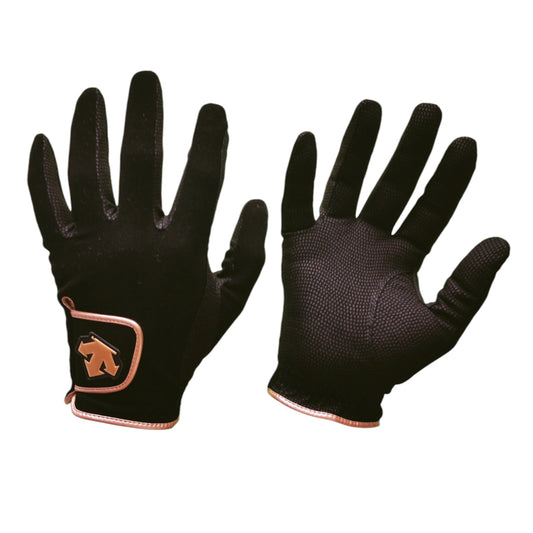
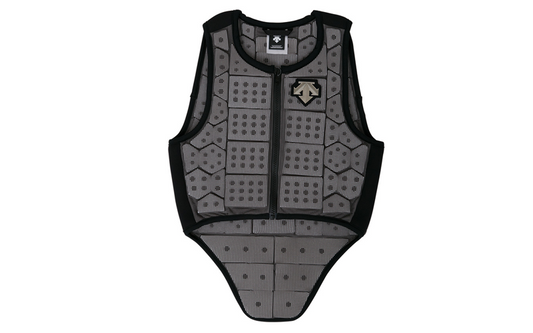

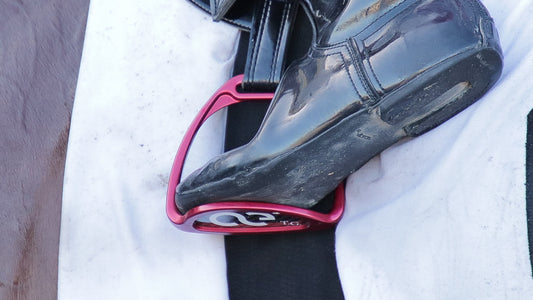
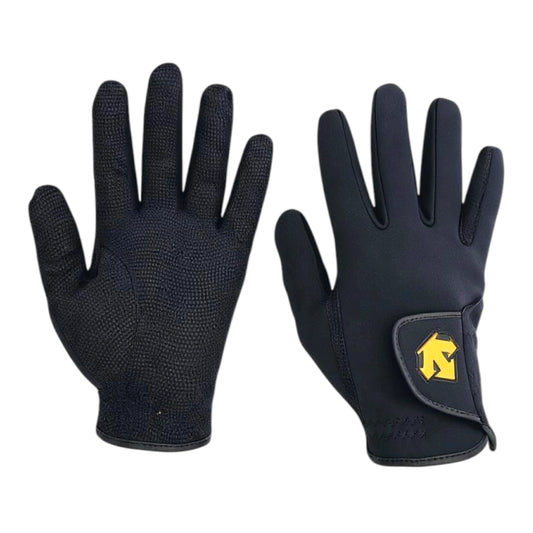
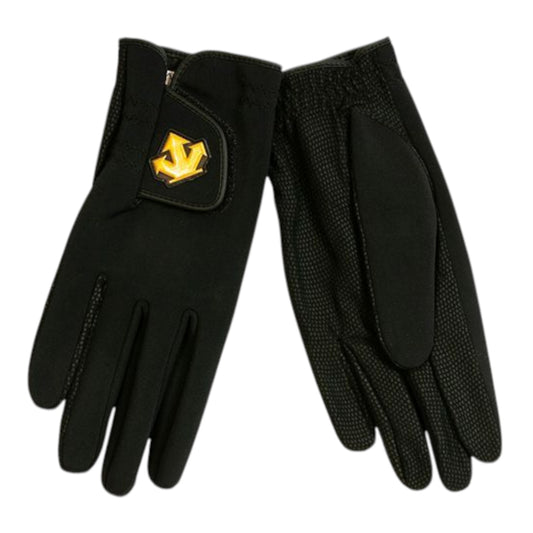
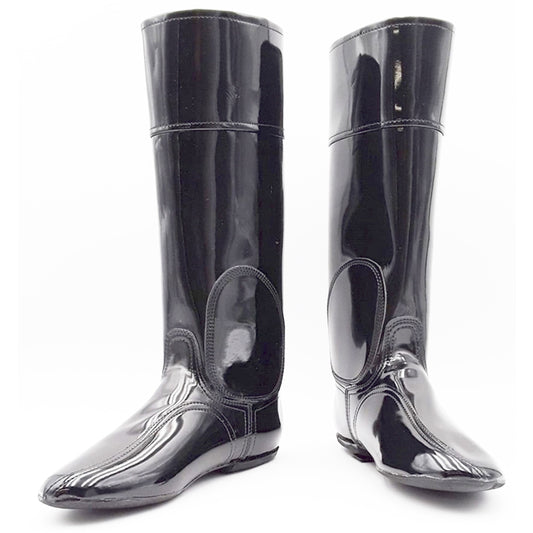

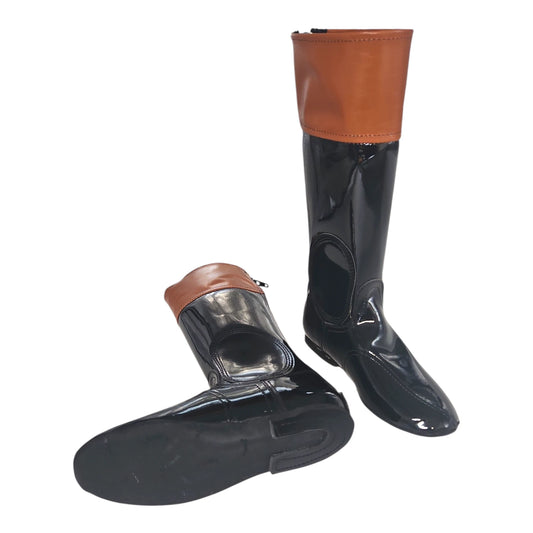

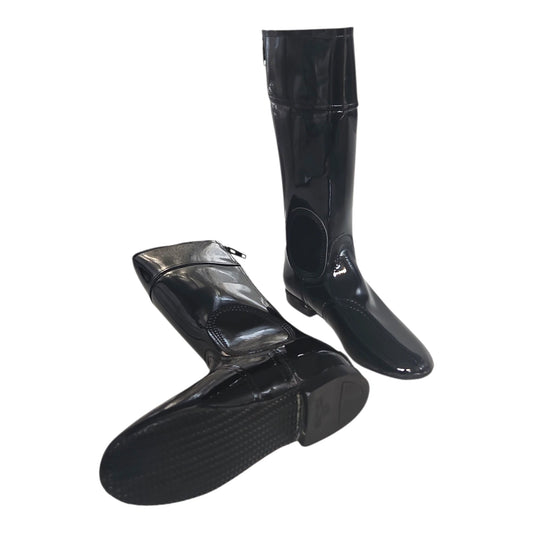
Professional jockey equipment represents the pinnacle of equestrian engineering, where every gram matters and safety cannot be compromised. This curated collection features premium racing gear trusted by top jockeys competing in thoroughbred racing worldwide. From ultra-light aluminum stirrup irons engineered by American Equus to JRA-certified safety vests from DESCENTE and handcrafted USA-made leather racing boots from Castillo, each piece of equipment has been selected for its exceptional performance characteristics and adherence to international racing standards. Professional riders face unique demands—maintaining minimum weight requirements while ensuring maximum safety, achieving precise control at speeds exceeding 40 mph, and enduring the physical toll of multiple races per day. The equipment in this collection addresses these challenges through innovative materials, specialized construction techniques, and designs refined through decades of racing experience. Whether you're an established professional jockey, an apprentice rider building your career, or an exercise rider working with thoroughbreds daily, investing in professional-grade equipment enhances performance, reduces fatigue, and provides the protection required in this demanding sport. Every item meets or exceeds industry safety certifications while incorporating weight-saving technologies that help jockeys maintain competitive racing weights without sacrificing the durability needed for season-long professional use.
Key Takeaways
- Professional jockey equipment must prioritize weight reduction without compromising safety or durability
- Aluminum racing stirrups like the American Equus SS77 can reduce leg fatigue during long race days
- JRA-certified safety vests are mandatory in most professional racing jurisdictions worldwide
- Handcrafted leather racing boots provide superior grip and ankle support for precise riding control
What should you look for in professional jockey racing equipment?
Professional jockey equipment must meet stringent safety standards while minimizing weight to comply with racing regulations. The most critical factor is certification—safety vests must meet JRA (Japan Racing Association) or equivalent standards, which are recognized internationally. Material quality is paramount; aluminum stirrup irons like the American Equus Teardrop and SS77 models offer exceptional strength-to-weight ratios, reducing leg strain during races. Racing boots should feature handcrafted leather construction for durability and precise fit, with reinforced toe caps and heel counters for stirrup control. Gloves must provide tactile sensitivity for rein control while offering weather protection—microfiber materials with gold trim details indicate premium construction. Ventilation is essential in safety vests, particularly perforated designs that allow heat dissipation during intense physical exertion. All equipment should be designed specifically for racing rather than general riding, as the demands of professional competition require specialized engineering and materials that can withstand the extreme forces and speeds involved in thoroughbred racing.
How do you choose the right racing stirrups for professional competition?
- Weight specifications: Select ultra-light aluminum stirrups that reduce overall tack weight while maintaining structural integrity under racing conditions
- Footbed design: Teardrop or wide-platform designs distribute pressure more evenly and prevent foot fatigue during multiple races
- Material composition: Aircraft-grade aluminum provides the optimal balance of strength, weight, and corrosion resistance for long-term use
- Tread pattern: Aggressive grip surfaces prevent boot slippage during acceleration, turns, and post-race dismounting
- Safety features: Breakaway or quick-release mechanisms can prevent dragging injuries in the event of a fall
- Compatibility: Ensure stirrup width matches your racing boot sole dimensions and leather thickness for secure positioning
Read Also
Frequently Asked Questions
What equipment do jockeys use?
What is the number one equestrian brand?
What does the average professional jockey weigh?
What's the average pay for a professional jockey?
How often should professional jockeys replace their racing equipment?
Sources
- Best Premium Jockey Equipment Brands 2025: The Definitive Guide — ridertack.com
- Top-Quality Riding Gear for Professional and Amateur Jockeys — nerdbot.com
- Jockey safety gear and equipment — jockeyandagents.weebly.com
- 404 Not Found — ridertack.com
- Best Equestrian Gear for Riders: A Complete Review — forequestrian.com

