

Best Racing Stirrups for Barrel Racing - American Equus
-
American Equus SS77 Ultra-Light Racing Stirrup Irons - Aluminum
- Illusion Red
- Illusion Blue
- Illusion Black
- Illusion Teal
- Illusion Violet
- Illusion Grey
- Illusion Green
- Illusion Gold
Regular price $279.00 USDRegular priceUnit price per$293.00 USDSale price $279.00 USDSale -
American Equus Teardrop XL Racing Stirrup Irons - Aluminum
- Illusion Red
- Illusion Blue
- Illusion Black
- Illusion Teal
- Illusion Violet
- Illusion Grey
- Illusion Green
- Illusion Gold
Regular price $269.00 USDRegular priceUnit price per$282.50 USDSale price $269.00 USDSale -
American Equus Racing Stirrup Irons - Aluminum Traction Pin Edition
- Illusion Red
- Illusion Blue
- Illusion Black
- Illusion Teal
- Illusion Violet
- Illusion Grey
- Illusion Green
- Illusion Gold
Regular price $249.00 USDRegular priceUnit price per$261.50 USDSale price $249.00 USDSale -
American Equus SS84 Ultra-Light Aircraft Aluminum Racing Stirrups
- Illusion Red
- Illusion Blue
- Illusion Black
- Illusion Teal
- Illusion Violet
- Illusion Grey
- Illusion Green
- Illusion Gold
Regular price $295.00 USDRegular priceUnit price per$310.00 USDSale price $295.00 USDSale -
American Equus Thoroughbred Breezing Irons - Aluminum Racing Stirrups
- Illusion Red
- Illusion Blue
- Illusion Black
- Illusion Teal
- Illusion Violet
- Illusion Grey
- Illusion Green
- Illusion Gold
Regular price $269.00 USDRegular priceUnit price per$282.50 USDSale price $269.00 USDSale

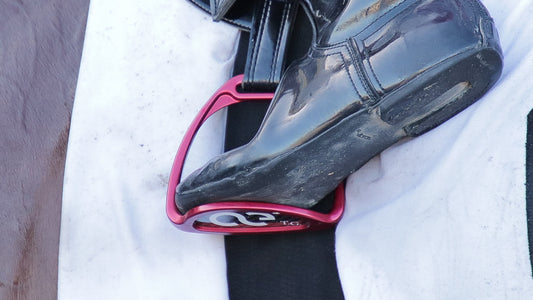


Barrel racing demands split-second precision, explosive speed, and unwavering control through tight turns—and your stirrups play a crucial role in achieving championship-level performance. Our curated collection of racing stirrups for barrel racing features American Equus's premium aluminum designs, engineered specifically for riders who refuse to compromise on speed, safety, or stability. Each stirrup in this collection combines ultra-light aircraft-grade aluminum construction with innovative traction technology, delivering the perfect balance of reduced weight and maximum grip when it matters most. Whether you're competing at jackpot events or professional rodeos, these racing stirrups help you maintain optimal foot positioning through aggressive turns, quick stops, and explosive accelerations between barrels. From the classic Thoroughbred Racing Stirrup Irons to specialized Traction Pin Editions and XL designs for riders needing extra footbed space, every stirrup is crafted to shave precious fractions of seconds off your time while keeping you secure in the saddle. Discover why competitive barrel racers trust American Equus aluminum racing stirrups to deliver the lightweight performance and reliability that can make the difference between winning and placing.
Key Takeaways
- Lightweight aluminum stirrups reduce leg fatigue and improve response time during tight barrel turns
- Traction-enhanced designs prevent boot slippage during high-speed maneuvers and quick directional changes
- Ultra-light aircraft aluminum construction provides strength without compromising speed or agility
- Proper stirrup selection can shave precious seconds off your barrel racing time while improving rider security
What should you look for in racing stirrups for barrel racing?
When selecting racing stirrups for barrel racing, prioritize lightweight aluminum construction that won't add unnecessary weight while maintaining structural integrity during high-speed turns. Look for stirrups with enhanced traction features like pin editions or textured footbeds that keep your boot secure during rapid acceleration and sharp pivots around barrels. The stirrup design should offer a wider footbed for stability while allowing quick foot repositioning. Weight distribution is critical—ultra-light options reduce leg fatigue during multiple runs while maintaining the strength needed for aggressive riding. Consider stirrups with teardrop or ergonomic shapes that accommodate the forward riding position common in barrel racing, and ensure the throat opening is wide enough for emergency dismounts but secure enough to prevent your foot from sliding through during competition.
How do you choose the right racing stirrups for barrel racing performance?
- Weight consideration: Select ultra-light aluminum stirrups (under 12 oz per pair) to minimize leg fatigue during multiple runs and improve your horse's overall speed
- Traction features: Choose stirrups with pin traction systems or textured surfaces that maintain boot grip during aggressive turns and rapid directional changes
- Footbed width: Opt for wider platforms like XL or teardrop designs that provide stability during the forward-leaning barrel racing position while allowing natural ankle movement
- Material quality: Prioritize aircraft-grade aluminum that offers maximum strength-to-weight ratio and won't bend or break under the stress of competitive barrel racing
- Design compatibility: Ensure the stirrup shape complements your riding style and boot type, with adequate throat clearance for safety without sacrificing security during runs
Read Also
Frequently Asked Questions
What type of saddle is best for barrel racing?
Why do people like oxbow stirrups?
What stirrups does Charlotte Dujardin use?
What do professional barrel racers wear?
Are lightweight stirrups better for barrel racing?
Sources
- Western Stirrup Buying Guide: Barrel Racing, Trail, and Show Options — www.mousm.com
- Barrel Racing Tack Swap/Discussion Page | best recommendations for stirrups for barrel racing, I already use rubber bands so don't even comment about them, please | Facebook — www.facebook.com
- The Best Stirrups Guide for Western Saddles - NRS World — nrsworld.com
- Stirrup to Finish Line: A Barrel Racer’s Guide to Saddle Selection — leaninpolearena.com
- Technical stirrups — what’s on the market? — www.horseandhound.co.uk

