

Best Skull Cap for Equestrian Safety - Premium Riding Protection
-
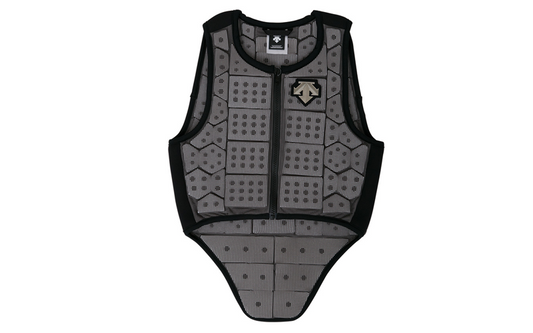
DESCENTE JRA Lightweight Horse Riding Safety Vest - Perforated Foam
Regular price $509.50 USDRegular priceUnit price per$534.95 USDSale price $509.50 USDSale -
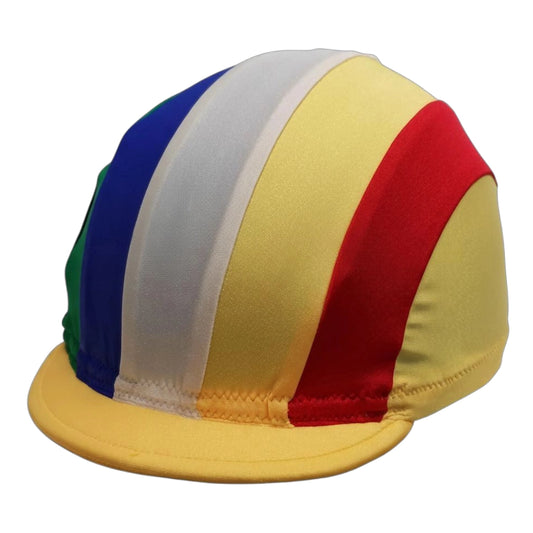
Equiwin BIGHELM Striped Lycra Helmet Cover - Stretchy Arc Design
- Red/White
- Red/Blue
- Blue/White
- Blue/Yellow
- Green/White
- Green/Orange
- Black/Red
- Black/White
- Black/Blue
- Black/Yellow
- Black/Green
- Maroon/White
- Dark Blue/Red
- Dark Blue/White
- Dark Green/White
- Custom Colors
Regular price $21.45 USDRegular priceUnit price per$22.50 USDSale price $21.45 USDSale -
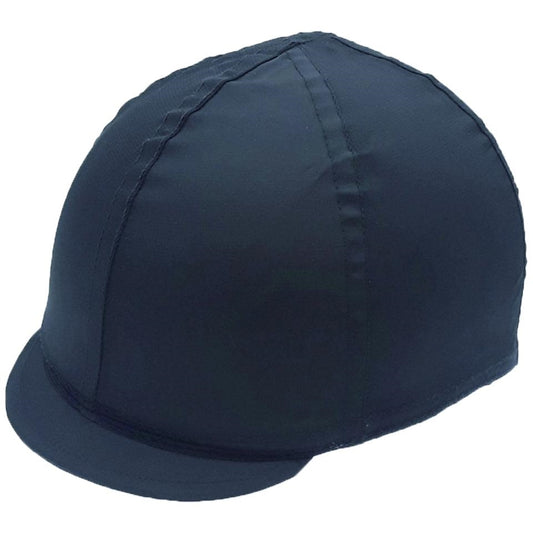
Equiwin BIGHELM Poly-Nylon Helmet Cover - Matte Finish Skull Cap
- Red
- White
- Blue
- Yellow
- Green
- Black
- Orange
- Pink
- Turquoise
- Purple
- Silver
- Lime Green
- Brown
- Maroon
- Beige
- Light Blue
- Dark Blue
- Dark Green
- Neon Pink
- Dark Grey
- Gold Yellow
- Light Pink
- Light Purple
Regular price $20.40 USDRegular priceUnit price per$21.40 USDSale price $20.40 USDSale -
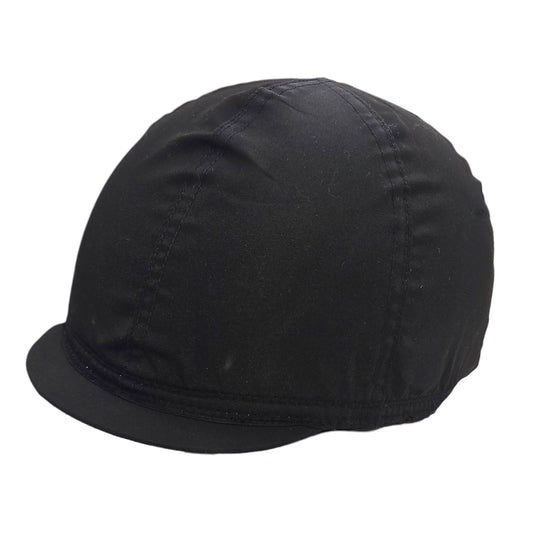
CHARLES OWEN Vented Silk Helmet Hood - Lycra Mesh Jockey Cover
Regular price $37.05 USDRegular priceUnit price per$38.90 USDSale price $37.05 USDSold out

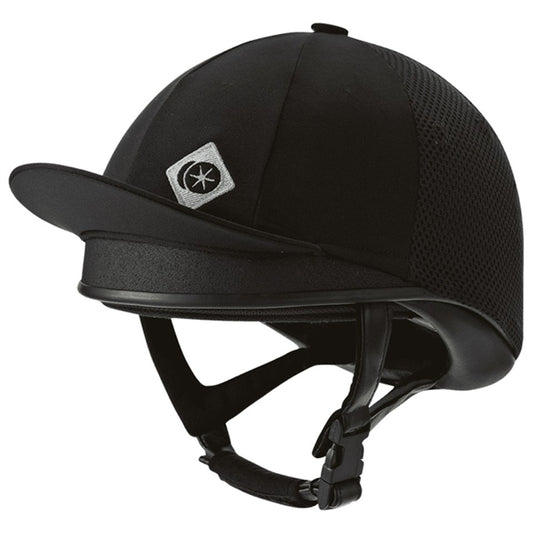
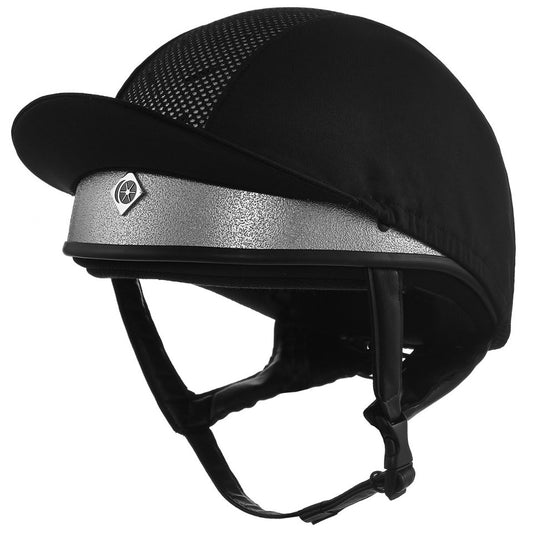
Equestrian safety begins with proper head protection, and our curated collection of premium skull caps represents the pinnacle of riding helmet technology and design. Whether you're a competitive show jumper, professional jockey, dressage rider, or pleasure rider, the right skull cap combines certified safety standards with comfort features that encourage consistent use. This collection features industry-leading brands like Charles Owen, renowned for their BSI Kitemark certified helmets that have protected riders for decades, alongside innovative options from Equiwin and Descente that push the boundaries of lightweight construction and ventilation design. Each skull cap in this collection meets or exceeds international safety standards including ASTM F1163, SEI, and PAS015 certifications, ensuring you receive proven protection against the impact forces experienced in equestrian falls. From the sleek, professional appearance of the Charles Owen Slimlook Silk Pro II with its lightweight Lycra covering to the maximum breathability of vented mesh designs perfect for summer riding or intense training sessions, you'll find options suited to every discipline and climate. Modern skull caps have evolved far beyond basic protection—today's designs incorporate advanced materials, ergonomic fit systems, and moisture-wicking fabrics that provide all-day comfort without compromising safety. Explore our collection to find the perfect balance of protection, performance, and style for your riding needs.
Key Takeaways
- Premium skull caps combine safety certification standards with lightweight, breathable materials for all-day comfort during riding
- Lycra and mesh helmet covers provide superior ventilation while maintaining a sleek, professional appearance in the show ring
- Proper fit is critical—skull caps should sit snugly without pressure points, with adjustable harness systems for secure positioning
- Leading brands like Charles Owen offer BSI Kitemark and ASTM/SEI certified options that meet international equestrian safety standards
What should you look for in an equestrian skull cap?
When selecting an equestrian skull cap, prioritize safety certifications as your first consideration. Look for helmets that meet or exceed standards such as ASTM F1163, SEI certification, PAS015, or the British BSI Kitemark. Beyond safety ratings, evaluate the shell construction—modern skull caps utilize advanced materials like polycarbonate or ABS plastic combined with impact-absorbing foam liners that effectively disperse force during falls. Ventilation is equally important for comfort during extended riding sessions; seek designs with strategically placed vents or breathable mesh panels that promote airflow without compromising structural integrity. The retention system should feature a secure, adjustable harness with a quick-release mechanism that stays fastened during impact yet can be easily removed when needed. Finally, consider the outer covering material—high-quality Lycra or poly-nylon covers provide a professional appearance while being easy to clean and maintain, with some offering UV protection and moisture-wicking properties for enhanced comfort in various weather conditions.
How do you choose the right skull cap for competitive riding?
- Measure your head circumference accurately at the widest point (typically just above the eyebrows) and consult manufacturer sizing charts, as fit varies between brands—a properly fitted skull cap should feel snug but not tight, with no front-to-back or side-to-side movement
- Select materials appropriate for your discipline and climate—lightweight Lycra covers like the Charles Owen Slimlook offer sleek aesthetics for dressage and show jumping, while vented mesh options provide maximum breathability for cross-country or warm-weather riding
- Verify competition compliance by checking that your chosen skull cap meets the safety standards required by your governing body (USEF, FEI, British Eventing, etc.), and consider whether you need a colored silk or cover to match your stable colors for a coordinated appearance
- Evaluate additional features such as replaceable liners for hygiene, adjustable dial systems for micro-fit adjustments, and compatibility with helmet cameras or communication devices if needed for training purposes
Read Also
Frequently Asked Questions
What is the safest equestrian helmet?
What is the best skull cap material?
What is the best jockey skull cap?
Are skull cap helmets safe?
How often should you replace an equestrian skull cap?
Sources
- Equestrian Helmet Guide: Fit, Safety Ratings, and 10 Most Popular Riding Helmets — www.farmhousetack.com
- New Vocations Retired Racehorse Network | Favorite skull cap helmet | Facebook — www.facebook.com
- What riding hat should I buy? A guide to horse riding helmets — horseandcountry.tv
- 5 Best Skull Caps for Horse Riding - - Gallop and Go — gallopandgo.com
- Best skull cap | Horse and Hound Forum — forums.horseandhound.co.uk

