

Best Stirrup Irons for Flat Racing - American Equus
-
American Equus SS77 Ultra-Light Racing Stirrup Irons - Aluminum
- Illusion Red
- Illusion Blue
- Illusion Black
- Illusion Teal
- Illusion Violet
- Illusion Grey
- Illusion Green
- Illusion Gold
Regular price $279.00 USDRegular priceUnit price per$293.00 USDSale price $279.00 USDSale -
American Equus Teardrop XL Racing Stirrup Irons - Aluminum
- Illusion Red
- Illusion Blue
- Illusion Black
- Illusion Teal
- Illusion Violet
- Illusion Grey
- Illusion Green
- Illusion Gold
Regular price $269.00 USDRegular priceUnit price per$282.50 USDSale price $269.00 USDSale -
American Equus Racing Stirrup Irons - Aluminum Traction Pin Edition
- Illusion Red
- Illusion Blue
- Illusion Black
- Illusion Teal
- Illusion Violet
- Illusion Grey
- Illusion Green
- Illusion Gold
Regular price $249.00 USDRegular priceUnit price per$261.50 USDSale price $249.00 USDSale -
American Equus SS84 Ultra-Light Aircraft Aluminum Racing Stirrups
- Illusion Red
- Illusion Blue
- Illusion Black
- Illusion Teal
- Illusion Violet
- Illusion Grey
- Illusion Green
- Illusion Gold
Regular price $295.00 USDRegular priceUnit price per$310.00 USDSale price $295.00 USDSale -
American Equus Thoroughbred Breezing Irons - Aluminum Racing Stirrups
- Illusion Red
- Illusion Blue
- Illusion Black
- Illusion Teal
- Illusion Violet
- Illusion Grey
- Illusion Green
- Illusion Gold
Regular price $269.00 USDRegular priceUnit price per$282.50 USDSale price $269.00 USDSale

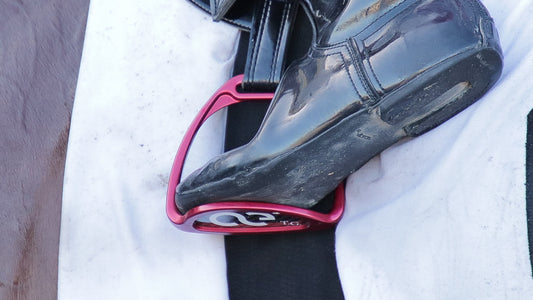


When milliseconds determine winners and every ounce affects performance, the right racing stirrup irons become essential equipment rather than mere accessories. Our curated collection of premium aluminum racing stirrups represents the pinnacle of design and engineering for flat racing, trusted by professional jockeys and exercise riders who demand the absolute best. Each stirrup in this collection is crafted from high-grade aluminum—many utilizing aircraft-grade materials—to deliver an uncompromising strength-to-weight ratio that simply cannot be matched by traditional stainless steel irons. From the classic elegance of our Teardrop Thoroughbred Racing Stirrups to the cutting-edge minimalism of the SS77 and SS84 Ultra-Light models, these irons are purpose-built for the unique demands of flat racing: extremely short stirrup lengths, forward riding positions, high-speed gallops, and the constant need to minimize weight while maximizing safety and performance. Whether you're a professional jockey counting every gram before race day, an exercise rider logging countless morning miles, or a racing enthusiast seeking authentic track equipment, this collection offers the proven designs that have earned their place on racetracks worldwide. Featuring innovations like traction pin technology for enhanced grip, teardrop profiles for optimal foot positioning, and ultra-narrow designs for maximum ground clearance, these American Equus racing stirrups represent the intersection of traditional craftsmanship and modern materials science—delivering the performance advantages that can make the difference between winning and placing.
Key Takeaways
- Ultra-lightweight aluminum construction reduces leg fatigue during gallops and races while maintaining exceptional strength
- Specialized racing designs including teardrop and narrow profiles accommodate shorter stirrup lengths and forward riding positions
- Traction pin and textured tread options provide superior grip in wet conditions and during high-speed work
- Aircraft-grade aluminum stirrups offer the best strength-to-weight ratio for professional jockeys and exercise riders
What should you look for in racing stirrup irons?
When selecting stirrup irons for flat racing, weight is the paramount consideration. Every ounce matters when jockeys are riding at minimum weight, and lighter stirrups reduce leg fatigue during morning works and afternoon races. Look for aircraft-grade or high-quality aluminum construction that delivers strength without bulk. The stirrup profile is equally critical—racing irons typically feature narrower designs and teardrop shapes that accommodate the extremely short stirrup lengths used in flat racing, where riders maintain a forward, crouched position. Tread design matters significantly for safety; textured surfaces or traction pins prevent boots from slipping during acceleration, turns, and when riding in wet conditions. The footbed width should provide adequate support without being so wide that it interferes with the close contact needed for precise communication with the horse. Finally, consider durability—quality racing irons must withstand daily use, the stress of high-speed gallops, and the demanding conditions of the racetrack environment while maintaining their structural integrity.
How do you choose the right racing stirrup irons for your needs?
- Assess your riding role: Professional jockeys prioritize absolute minimum weight, while exercise riders may prefer slightly more substantial irons with enhanced traction for daily training work
- Consider the stirrup profile: Teardrop designs offer a classic look with excellent foot positioning, while ultra-narrow profiles like the SS77 and SS84 provide maximum ground clearance for extremely short leathers
- Evaluate traction needs: Standard aluminum offers good grip, but traction pin editions provide superior security in wet weather or for riders who prefer maximum boot stability during fast work
- Match to boot size: Ensure adequate footbed width for your racing boots—too narrow creates discomfort and safety issues, while too wide adds unnecessary weight and reduces contact
- Factor in durability requirements: Daily breezers need robust construction that withstands constant use, while race-day-only irons can prioritize absolute weight savings
Read Also
Frequently Asked Questions
What are the best stirrup irons?
Why do people like oxbow stirrups?
Do slanted stirrups help knees?
What stirrups does Ros Canter use?
What is the advantage of aluminum racing stirrups over stainless steel?
Sources
- Technical stirrups — what’s on the market? — www.horseandhound.co.uk
- Finding Affordable Stirrup Irons — www.budgetequestrian.com
- Best Stirrup Irons for Jumping Safety: A Comprehensive Buyer's Guide — ridertack.com
- What to look for when buying stirrups plus six of the best irons on the ... — www.yourhorse.co.uk
- Safety Stirrup Comparison & Review — horsetrailchicks.com

