

Best Stirrups for Beginner Jockeys - American Equus
-
BH Lightweight Polymer Racing Saddle Tree - White 3.5oz
Regular price $49.40 USDRegular priceUnit price per$51.85 USDSale price $49.40 USDSale -
American Equus SS77 Ultra-Light Racing Stirrup Irons - Aluminum
- Illusion Red
- Illusion Blue
- Illusion Black
- Illusion Teal
- Illusion Violet
- Illusion Grey
- Illusion Green
- Illusion Gold
Regular price $279.00 USDRegular priceUnit price per$293.00 USDSale price $279.00 USDSale -
American Equus Racing Stirrup Irons - Aluminum Traction Pin Edition
- Illusion Red
- Illusion Blue
- Illusion Black
- Illusion Teal
- Illusion Violet
- Illusion Grey
- Illusion Green
- Illusion Gold
Regular price $249.00 USDRegular priceUnit price per$261.50 USDSale price $249.00 USDSale -
American Equus SS84 Ultra-Light Aircraft Aluminum Racing Stirrups
- Illusion Red
- Illusion Blue
- Illusion Black
- Illusion Teal
- Illusion Violet
- Illusion Grey
- Illusion Green
- Illusion Gold
Regular price $295.00 USDRegular priceUnit price per$310.00 USDSale price $295.00 USDSale -
American Equus Aluminum Long Board Horse Racing Stirrup Irons
- Illusion Red
- Illusion Blue
- Illusion Black
- Illusion Teal
- Illusion Violet
- Illusion Grey
- Illusion Green
- Illusion Gold
Regular price $269.00 USDRegular priceUnit price per$282.50 USDSale price $269.00 USDSale

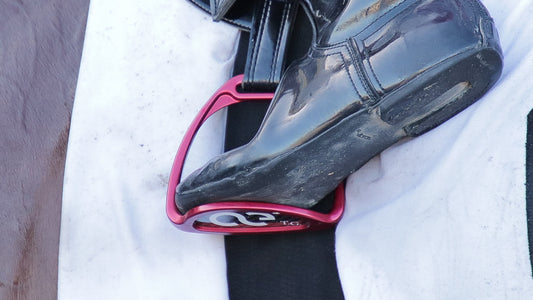


Finding the right racing stirrups is crucial for beginner jockeys developing the strength, balance, and technique required for competitive race riding. Unlike traditional English riding, racing demands an extreme crouch position with dramatically shortened stirrups, placing unique demands on equipment. The stirrups in this collection are specifically selected to support beginner jockeys through their training journey, featuring ultra-lightweight aircraft aluminum construction (3-4 oz per pair) that reduces leg fatigue during extended training sessions. Each design prioritizes safety and stability with features like wide tread platforms, traction pins, and textured surfaces that prevent dangerous foot slippage at high speeds. Whether you're just learning the racing position or progressing to faster training gallops, these American Equus and BH stirrups offer the perfect combination of professional-grade quality and beginner-friendly design. From the extra-wide stability of long board stirrups to the balanced feel of teardrop designs, you'll find options that build confidence while meeting the rigorous demands of Thoroughbred racing training.
Key Takeaways
- Lightweight aluminum stirrups (3-4 oz) help beginner jockeys maintain proper balance and reduce leg fatigue during training
- Wide tread designs like long board stirrups provide extra stability and confidence for riders learning the shortened racing position
- Traction pins and textured surfaces prevent foot slippage, which is critical for safety when riding at high speeds
- Ultra-light aircraft aluminum construction offers the perfect balance of durability and weight for developing jockeys
What should you look for in racing stirrups for beginner jockeys?
When selecting racing stirrups for beginner jockeys, prioritize lightweight construction combined with stability features. Look for stirrups made from aircraft-grade aluminum that weigh between 3-4 ounces per pair, as this reduces leg strain while learning the demanding racing position. The stirrup tread should be wide enough to provide a stable platform—long board or teardrop designs offer excellent surface area for developing riders to find and maintain their footing. Traction is paramount; choose stirrups with either textured surfaces, traction pins, or grip-enhancing designs to prevent dangerous foot slippage during training gallops. The stirrup should also have a clean, simple design without excessive ornamentation that could catch on equipment. Finally, ensure the stirrup eye (where the leather attaches) is smooth and properly sized to prevent leather wear and allow easy adjustment as the beginner refines their leg position.
How do you choose the right racing stirrup design for a beginner jockey's needs?
- Foot size and tread width: Beginners benefit from wider treads like long board designs (typically 4-5 inches) that provide a larger platform for foot placement and balance while learning the shortened stirrup position
- Weight and material: Select ultra-light aluminum stirrups (3-4 oz total weight) to minimize leg fatigue during extended training sessions, allowing beginners to focus on developing proper form rather than fighting heavy equipment
- Grip and safety features: Prioritize stirrups with traction pins, textured surfaces, or specialized grip patterns to prevent the foot from sliding forward or backward, especially during acceleration and when riding on wet tracks
- Stirrup shape and angle: Teardrop or traditional designs work well for beginners as they naturally guide the foot into the correct position, while angled stirrups can be introduced later once basic balance is mastered
- Durability and maintenance: Choose stirrups with corrosion-resistant finishes and simple construction that can withstand daily training use and are easy to clean and inspect for wear
Read Also
Frequently Asked Questions
Why do jockeys ride with such short stirrups?
How to choose the right stirrup?
Do slanted stirrups help knees?
Why were peacock stirrups outlawed?
What weight stirrups should beginner jockeys use?
Sources
- Which Stirrups to Buy as a Beginner? — ophena.com
- Technical stirrups — what’s on the market? — www.horseandhound.co.uk
- Best Stirrup Irons for Jumping Safety: A Comprehensive Buyer's Guide — ridertack.com
- Safety Stirrup Comparison & Review — horsetrailchicks.com
- Ocala Equestrian Community | Hello, I am seeking recommendations for wide-based stirrups | Facebook — www.facebook.com

