

Best Stirrups for Eventing - American Equus
-
American Equus SS77 Ultra-Light Racing Stirrup Irons - Aluminum
- Illusion Red
- Illusion Blue
- Illusion Black
- Illusion Teal
- Illusion Violet
- Illusion Grey
- Illusion Green
- Illusion Gold
Regular price $279.00 USDRegular priceUnit price per$293.00 USDSale price $279.00 USDSale -
American Equus Racing Stirrup Irons - Aluminum Traction Pin Edition
- Illusion Red
- Illusion Blue
- Illusion Black
- Illusion Teal
- Illusion Violet
- Illusion Grey
- Illusion Green
- Illusion Gold
Regular price $249.00 USDRegular priceUnit price per$261.50 USDSale price $249.00 USDSale -
American Equus SS84 Ultra-Light Aircraft Aluminum Racing Stirrups
- Illusion Red
- Illusion Blue
- Illusion Black
- Illusion Teal
- Illusion Violet
- Illusion Grey
- Illusion Green
- Illusion Gold
Regular price $295.00 USDRegular priceUnit price per$310.00 USDSale price $295.00 USDSale -
American Equus Aluminum Long Board Horse Racing Stirrup Irons
- Illusion Red
- Illusion Blue
- Illusion Black
- Illusion Teal
- Illusion Violet
- Illusion Grey
- Illusion Green
- Illusion Gold
Regular price $269.00 USDRegular priceUnit price per$282.50 USDSale price $269.00 USDSale -
American Equus Thoroughbred Breezing Irons - Aluminum Racing Stirrups
- Illusion Red
- Illusion Blue
- Illusion Black
- Illusion Teal
- Illusion Violet
- Illusion Grey
- Illusion Green
- Illusion Gold
Regular price $269.00 USDRegular priceUnit price per$282.50 USDSale price $269.00 USDSale

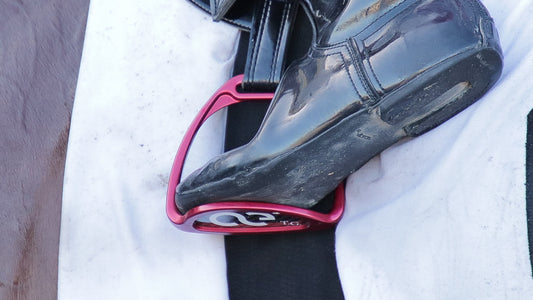


Eventing demands the ultimate in versatility from both horse and rider, and your stirrups must perform flawlessly across dressage, cross-country, and show jumping phases. Our collection of ultra-light aluminum stirrups is specifically engineered to meet the rigorous demands of eventing competition, where equipment reliability can mean the difference between clear rounds and costly mistakes. Each stirrup in this collection features aircraft-grade aluminum construction that delivers exceptional strength while minimizing weight—a critical advantage during long competition days when leg fatigue can compromise your position and effectiveness. Whether you're navigating technical cross-country courses, executing precise dressage movements, or tackling challenging show jumping combinations, these stirrups provide the stability, grip, and durability that competitive eventers require. From wide-footbed designs that enhance security during cross-country's demanding terrain to streamlined profiles that facilitate quick foot recovery, our eventing stirrup collection offers options for riders at every level who refuse to compromise on performance or safety.
Key Takeaways
- Ultra-light aluminum stirrups reduce leg fatigue during long eventing competitions across all three phases
- Wide footbeds and traction features provide superior grip and stability during cross-country and stadium jumping
- Aircraft-grade aluminum construction offers the perfect balance of strength and weight for competitive eventing
- Quick-release designs enhance safety during falls while maintaining security during aggressive riding
What should you look for in stirrups for eventing?
Eventing stirrups must perform across three distinct disciplines—dressage, cross-country, and show jumping—making versatility and reliability paramount. Look for ultra-light aluminum construction that reduces leg fatigue during long competition days while maintaining structural integrity under stress. The footbed should be wide enough to provide a stable platform during cross-country's demanding terrain and show jumping's technical courses, with traction features like pins or textured surfaces preventing foot slippage in wet conditions. Weight is critical; lighter stirrups allow for better leg position and less strain during dressage, while maintaining the strength needed for cross-country's high-impact moments. Safety features are essential—the stirrup should release your foot in a fall but remain secure during normal riding. Finally, consider the stirrup's profile: designs that facilitate quick foot recovery after losing a stirrup can be invaluable during cross-country when remounting or adjusting on the fly.
How do you choose the right stirrup design for eventing disciplines?
- Footbed width: Select stirrups with generous platforms (4-4.5 inches) that accommodate your boot size while providing stability during cross-country's uneven terrain and show jumping's tight turns
- Weight distribution: Ultra-light aluminum designs (under 300g per stirrup) reduce fatigue during dressage tests and long cross-country courses without sacrificing the durability needed for stadium jumping
- Traction system: Look for pin traction or textured surfaces that maintain grip in muddy, wet cross-country conditions while allowing controlled foot movement for dressage precision
- Safety profile: Choose stirrups with smooth outer edges that won't catch on brush or fences during cross-country, while maintaining enough weight to hang properly for easy foot recovery
- Material strength: Aircraft-grade aluminum offers superior strength-to-weight ratios, essential for withstanding the impact forces of eventing while keeping overall equipment weight minimal
Read Also
Frequently Asked Questions
Why are peacock stirrups banned?
What stirrups does Charlotte Dujardin use?
Why use oxbow stirrups?
What stirrups does Ros Canter use?
Are aluminum stirrups safe for eventing?
Sources
- Technical stirrups: the best for all disciplines - Horse & Hound — www.horseandhound.co.uk
- Gear Guide — www.horseandrideruk.com
- Safety Stirrup Comparison & Review — horsetrailchicks.com
- Best Stirrup Irons for Cross Country and Dressage - Chronicle Forums — forum.chronofhorse.com
- 7 Best Stirrups for Riders in 2025 — hoovesandpaws.com

