

Best Stirrups for Show Jumping - American Equus
-
American Equus SS77 Ultra-Light Racing Stirrup Irons - Aluminum
- Illusion Red
- Illusion Blue
- Illusion Black
- Illusion Teal
- Illusion Violet
- Illusion Grey
- Illusion Green
- Illusion Gold
Regular price $279.00 USDRegular priceUnit price per$293.00 USDSale price $279.00 USDSale -
American Equus Racing Stirrup Irons - Aluminum Traction Pin Edition
- Illusion Red
- Illusion Blue
- Illusion Black
- Illusion Teal
- Illusion Violet
- Illusion Grey
- Illusion Green
- Illusion Gold
Regular price $249.00 USDRegular priceUnit price per$261.50 USDSale price $249.00 USDSale -
American Equus Teardrop XL Racing Stirrup Irons - Aluminum
- Illusion Red
- Illusion Blue
- Illusion Black
- Illusion Teal
- Illusion Violet
- Illusion Grey
- Illusion Green
- Illusion Gold
Regular price $269.00 USDRegular priceUnit price per$282.50 USDSale price $269.00 USDSale -
American Equus SS84 Ultra-Light Aircraft Aluminum Racing Stirrups
- Illusion Red
- Illusion Blue
- Illusion Black
- Illusion Teal
- Illusion Violet
- Illusion Grey
- Illusion Green
- Illusion Gold
Regular price $295.00 USDRegular priceUnit price per$310.00 USDSale price $295.00 USDSale -
American Equus Aluminum Teardrop Thoroughbred Racing Stirrup Irons
- Illusion Red
- Illusion Blue
- Illusion Black
- Illusion Teal
- Illusion Violet
- Illusion Grey
- Illusion Green
- Illusion Gold
Regular price $259.00 USDRegular priceUnit price per$272.00 USDSale price $259.00 USDSale -
American Equus Aluminum Long Board Horse Racing Stirrup Irons
- Illusion Red
- Illusion Blue
- Illusion Black
- Illusion Teal
- Illusion Violet
- Illusion Grey
- Illusion Green
- Illusion Gold
Regular price $269.00 USDRegular priceUnit price per$282.50 USDSale price $269.00 USDSale

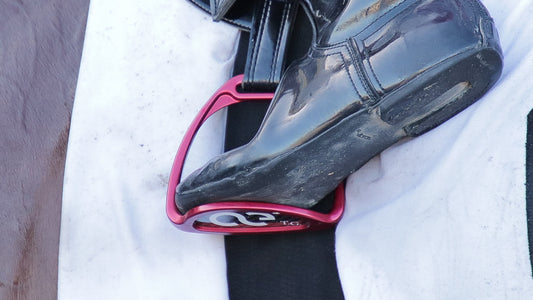


Elevate your show jumping performance with our premium collection of ultra-light aluminum stirrups, engineered specifically for the demands of competitive jumping. At American Equus, we understand that every gram matters when you're navigating technical courses and soaring over challenging combinations. Our show jumping stirrup collection features aircraft-grade aluminum construction that delivers the perfect balance of featherlight weight and uncompromising strength. Each stirrup is designed with the competitive rider in mind, offering wide footbeds for superior stability, advanced traction systems to prevent boot slippage, and ergonomic profiles that promote optimal leg position throughout your round. Whether you prefer the classic elegance of our Teardrop design, the expansive platform of our Long Board configuration, or the precision-engineered grip of our Traction Pin Edition, you'll find stirrups that enhance your connection with your horse while reducing fatigue during long competition days. Our ultra-light designs—some weighing as little as 300 grams per pair—allow you to ride with confidence and precision, knowing your equipment supports your every move from takeoff to landing. Trusted by professional riders and serious competitors, American Equus stirrups combine innovative engineering with traditional aesthetics, ensuring you meet the highest standards of both performance and presentation in the show ring.
Key Takeaways
- Ultra-light aluminum stirrups reduce leg fatigue and improve rider balance during demanding show jumping courses
- Wide footbed designs provide superior stability and safety, allowing quick foot release in emergency dismounts
- Aircraft-grade aluminum construction offers the perfect balance of strength and weight for competitive jumping
- Traction-enhanced treads prevent boot slippage during takeoff, flight, and landing phases of jumps
What should you look for in show jumping stirrups?
When selecting stirrups for show jumping, prioritize weight, safety, and stability. The ideal show jumping stirrup should be lightweight to minimize leg fatigue during long courses while maintaining structural integrity under pressure. Look for stirrups constructed from aircraft-grade aluminum, which provides exceptional strength-to-weight ratios. The footbed should be wide enough to provide a stable platform—typically 4.5 to 5 inches—allowing your foot to find the optimal position quickly while maintaining the ability to release easily in case of a fall. Traction is critical; choose stirrups with textured treads, pins, or grip technology that prevents your boot from slipping during takeoff and landing. Additionally, consider stirrups with an open or offset design that encourages proper foot positioning and reduces the risk of your foot becoming trapped. The stirrup's eye should accommodate your leathers smoothly without binding, and the overall design should complement your riding style and discipline requirements.
How do you choose the right stirrups for competitive show jumping?
- Weight consideration: Select ultra-light aluminum stirrups (typically under 400 grams per pair) to reduce leg strain and improve response time during technical courses
- Footbed width and shape: Choose stirrups with generous footbeds (4.75-5.25 inches) that provide stability without restricting foot movement, with options like teardrop or longboard designs for different foot sizes
- Traction system: Evaluate grip features such as traction pins, textured surfaces, or specialized treads that maintain boot contact during dynamic jumping movements
- Safety profile: Opt for designs that allow quick foot release while avoiding outdated peacock-style stirrups that don't meet modern safety standards
- Material quality: Prioritize aircraft-grade aluminum construction that withstands the impact forces of landing while maintaining consistent performance across all weather conditions
- Aesthetic compatibility: Ensure the stirrup finish and style complement your show attire and meet any discipline-specific presentation requirements
Read Also
Frequently Asked Questions
What stirrups do show jumpers use?
What stirrups can you use for showing?
Why were peacock stirrups outlawed?
How long should stirrups be for jumping?
Are aluminum stirrups better than stainless steel for show jumping?
Sources
- 6 pairs of stirrups designed with jumping in mind — www.horseandhound.co.uk
- Gear Guide — www.horseandrideruk.com
- Safety Stirrup Comparison & Review — horsetrailchicks.com
- 7 Best Stirrups for Riders in 2025 — hoovesandpaws.com
- Best Stirrup Irons for Jumping Safety: A Comprehensive Buyer's Guide — ridertack.com

