

Best Veterinary Wrap for Leg Injuries - Premium Animal Care
-
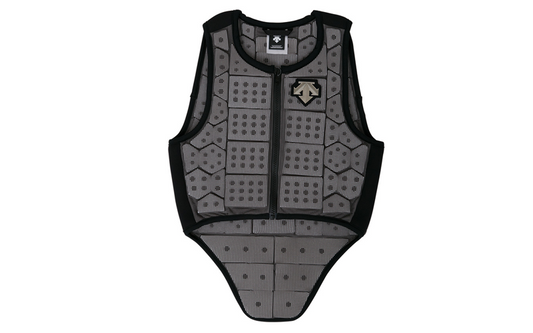
DESCENTE JRA Lightweight Horse Riding Safety Vest - Perforated Foam
Regular price $649.50 USDRegular priceUnit price per$714.45 USDSale price $649.50 USDSale -
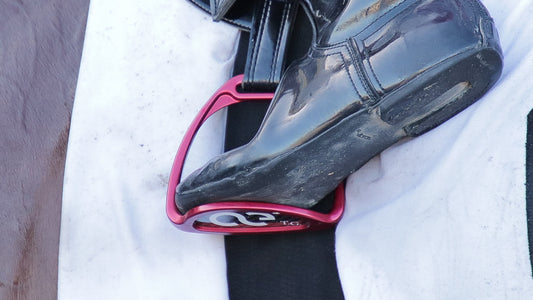
American Equus SS77 Ultra-Light Racing Stirrup Irons - Aluminum
- Illusion Red
- Illusion Blue
- Illusion Black
- Illusion Teal
- Illusion Violet
- Illusion Grey
- Illusion Green
- Illusion Gold
Regular price $279.00 USDRegular priceUnit price per$293.00 USDSale price $279.00 USDSale -
American Equus Racing Stirrup Irons - Aluminum Traction Pin Edition
- Illusion Red
- Illusion Blue
- Illusion Black
- Illusion Teal
- Illusion Violet
- Illusion Grey
- Illusion Green
- Illusion Gold
Regular price $249.00 USDRegular priceUnit price per$261.50 USDSale price $249.00 USDSale -
American Equus SS84 Ultra-Light Aircraft Aluminum Racing Stirrups
- Illusion Red
- Illusion Blue
- Illusion Black
- Illusion Teal
- Illusion Violet
- Illusion Grey
- Illusion Green
- Illusion Gold
Regular price $295.00 USDRegular priceUnit price per$310.00 USDSale price $295.00 USDSale -
3M VETRAP Cohesive Self-Adhesive Bandaging Tape 4" x 5 Yards
Regular price $3.67 USDRegular priceUnit price per$4.04 USDSale price $3.67 USDSale -
American Equus Thoroughbred Breezing Irons - Aluminum Racing Stirrups
- Illusion Red
- Illusion Blue
- Illusion Black
- Illusion Teal
- Illusion Violet
- Illusion Grey
- Illusion Green
- Illusion Gold
Regular price $269.00 USDRegular priceUnit price per$282.50 USDSale price $269.00 USDSale



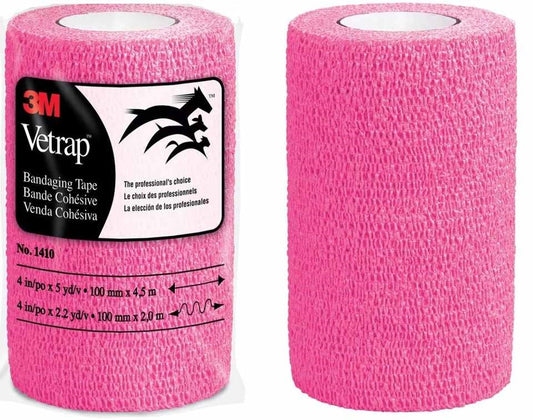

When your animal companion suffers a leg injury, having the right veterinary wrap on hand can make a crucial difference in their recovery and comfort. Our carefully curated collection features professional-grade cohesive bandaging solutions trusted by veterinarians, equine professionals, and pet owners worldwide. Whether you're treating a dog's sprained leg, providing post-surgical support, or managing an equine injury, quality veterinary wrap delivers the compression, protection, and support needed for optimal healing. The 3M VetWrap Cohesive Self-Adhesive Bandaging Tape represents the gold standard in animal wound care, offering a self-adherent design that sticks to itself without adhering to fur or skin, eliminating the need for clips or additional tape. This versatile bandaging solution provides consistent compression to reduce swelling, supports injured ligaments and tendons, and protects wounds from contamination while remaining breathable to promote healthy tissue recovery. Available in a convenient 4-inch by 5-yard size, it's ideal for medium to large dogs, horses, and other animals requiring reliable leg support. Understanding proper wrapping techniques and selecting appropriate materials ensures your animal receives the best possible care during their recovery journey.
Key Takeaways
- Self-adhesive cohesive wraps like VetWrap provide secure compression without clips or tape, making them ideal for active animals
- Proper leg wrapping technique is crucial - wraps should be snug but not too tight to avoid restricting circulation or causing additional injury
- Veterinary wraps are versatile for various injuries including sprains, strains, post-surgical support, and wound protection
- Quality veterinary bandaging tape should be breathable, water-resistant, and maintain consistent compression throughout wear
What should you look for in veterinary wrap for leg injuries?
When selecting veterinary wrap for leg injuries, prioritize materials that offer self-adhesive cohesive properties without sticking to fur or skin. The ideal veterinary wrap should provide consistent, controlled compression to reduce swelling and support injured ligaments or tendons while remaining breathable to prevent moisture buildup. Look for wraps that are latex-free to minimize allergic reactions, water-resistant to maintain effectiveness in various conditions, and durable enough to withstand an animal's movement without loosening or bunching. Width is also important - 4-inch wraps work well for medium to large dogs and horses, while smaller animals may require narrower options. The wrap should tear easily by hand for quick application without scissors, yet maintain its integrity during wear. Professional-grade options like 3M VetWrap are trusted by veterinarians because they conform to body contours, provide non-slip support, and can be removed cleanly without leaving residue.
How do you choose the right veterinary bandaging for different animal leg injuries?
- Injury type assessment - Sprains and strains require moderate compression wraps, while open wounds need non-adherent primary dressings under the cohesive wrap layer
- Animal size and activity level - Larger, more active animals need wider, more durable wraps with stronger cohesive properties to stay in place during movement
- Duration of treatment - Short-term injuries may only need basic cohesive wraps, while chronic conditions benefit from breathable, water-resistant materials that can be worn longer
- Environmental factors - Animals exposed to wet conditions require water-resistant wraps, while indoor recovery may allow standard breathable options
- Ease of application - Self-adhesive cohesive wraps eliminate the need for clips or additional tape, making them ideal for field applications or quick emergency treatment
Read Also
Frequently Asked Questions
Should I wrap my dog's injured leg?
Can you use Vet Wrap on human legs?
Is Vet Wrap the same as Coban?
What helps dogs heal an injured leg?
How long should you keep a wrap on a dog's leg?
Sources
- Leg Wraps & Braces - Vital Vet — vitalvet.org
- The 4 Best Types of Bandages to Use for Your Dog | Pettable — pettable.com
- — www.amazon.com
- Best Self Adhesive Wrap for Equine Therapy - Premium Horse Care — ridertack.com
- 3M Vetrap — www.smartpakequine.com

